Locked Out of Your Flat in Bayswater? What to Do First
Locked out of a flat in W2? Stay calm and work through these steps first. They can save time, protect your door and help the locksmith do the job well.
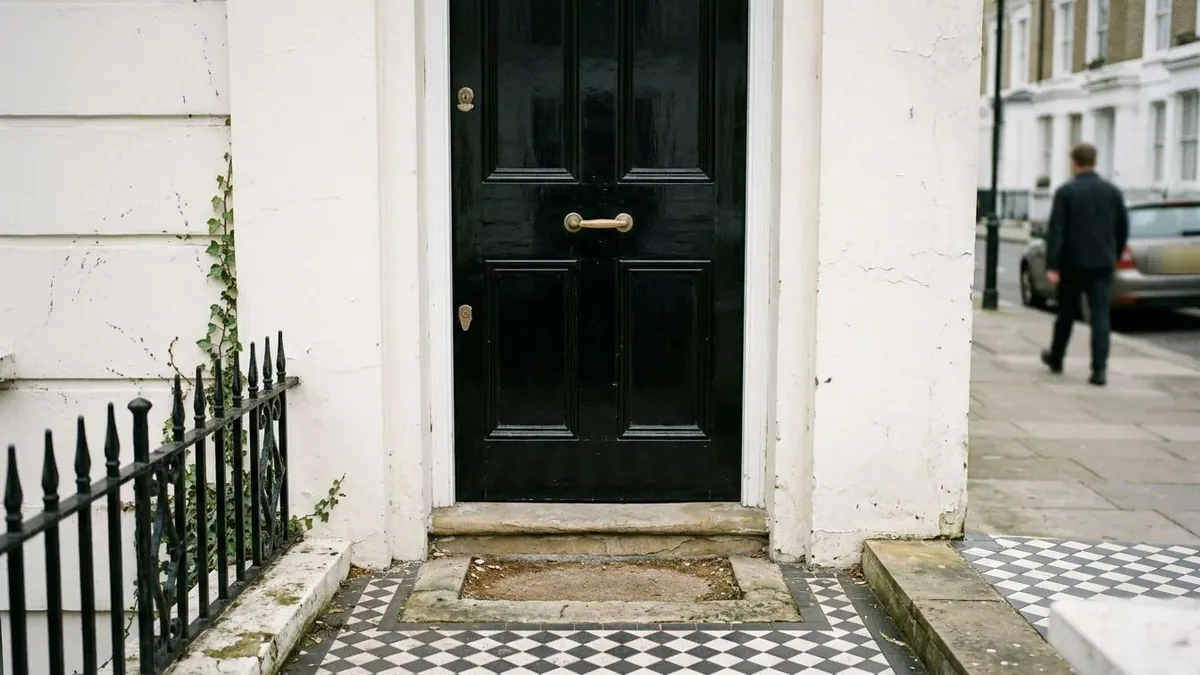
A lock-out at your flat is stressful, especially late at night or in the rain. The good news is that most lock-outs end quickly and without damage. A few calm checks first can save you time and stop a small problem becoming a costly one.
This guide covers what to try before you contact anyone, who might hold a spare key, and what a locksmith will ask you. It also explains how to avoid rogue callouts.
Stop and check the simple things
Take a breath and think back. Check your pockets, bag and coat again, because keys often hide in a lining or a second bag. Then ask yourself whether anyone else is at home, or whether a flatmate or partner is on the way back.
Next, look at the door itself. Sometimes a door is only pulled shut and not locked, so a gentle push on the handle is worth trying. However, do not force the door or kick it. Damage to the frame or lock costs far more than a simple opening.
Some people look for another way in, such as a window. Be careful here, since a fall can cause serious injury and you may damage a window lock. When in doubt, do not climb.
Who might hold a spare key?
Before you pay anyone, think about who has a copy. A quick message can solve the problem for free.
- A landlord or letting agent, who often keeps a set.
- A managing agent or building manager in a mansion block.
- A porter or concierge, if your building has one.
- A friend, relative or neighbour you trust.
- A flatmate who is out for the day.
If you rent, remember the rules on access. The government says a landlord must give at least 24 hours’ notice for a visit and come at a reasonable time, unless it is an emergency and they need immediate access. Most landlords will help if they can, so ask politely and agree a time.
In a purpose-built block or a converted Victorian house, the shared front door may also have its own lock. In that case the building manager may need to let you in first. Our post on mansion block communal door locks explains who usually looks after those doors.
When it is time to call a locksmith
If nobody can help, a mobile locksmith is the next step. A trained locksmith can often open a shut door in a short visit, and you keep your lock. For a lock-out at any hour, see our emergency locksmith service.
When you get in touch, give clear details. This helps them bring the right tools and not waste a visit.
- Your exact location and the building type, such as a flat in a mansion block.
- The type of door: timber, composite or uPVC.
- Whether the door is shut or locked with a key, and whether the key is inside.
- Whether there is a second lock, such as a night latch above a mortice lock.
- A way to prove you live there.
You can send these through our enquiry form. The service is form-only, so you can write everything down in one go.
What non-destructive entry means
Non-destructive entry means opening the lock without breaking it or the door. It is the first approach a good locksmith tries. For example, a door that someone simply pulled shut can often open with a thin tool that moves the latch.
It does have limits. Some locks are built to resist this, and a few cases do need drilling. We explain both sides in how non-destructive entry works. A fair locksmith will tell you what they plan to do before they begin.
Proving the flat is yours
Expect a locksmith to ask for proof. This is a good sign, not a nuisance, because a reputable professional will not open a door for just anyone. Useful items include photo ID, a recent bill with your name and address, or a tenancy agreement.
If your ID sits inside the flat, other proof can help. A neighbour who knows you, an old email or a message from your landlord may do. Explain this early, so the locksmith can say what they will accept.
Avoiding a rogue callout
Locked-out people make easy targets for bad traders, because they feel stressed and rushed. Take a minute to check the basics before you agree to anything.
- Ask for the full cost before work starts, not only a low “from” figure.
- Be wary of anyone who says the lock must be drilled before they have looked at it.
- Ask for the name of the company and the person who will arrive.
- Compare what you hear against our locksmith prices guide.
Our guide on how to check a locksmith goes into more detail. Since a good locksmith welcomes questions, any pressure to hurry is a warning sign.
After you are back inside
Once you are in, ask yourself what went wrong. If you only left your keys indoors, you may just want a spare set with a trusted person. However, if you lost your keys outside, a lock change means a stranger cannot use them.
If the lock felt stiff or the key jammed, it may be wearing out. Our post on whether to repair or replace a lock can help you decide. A uPVC door has its own causes, which we cover in why a uPVC door will not lock.
Local cover
We work as a mobile service for W2 and nearby areas, with no shopfront to visit. For example, you can read about our locksmith in Bayswater cover and our mobile locksmith covering Paddington. Both pages explain which streets and building types we see most often.
If you stand outside now and cannot reach anyone else, use the enquiry form and tell us where you are and what happened.