HMO Tenant Changeovers: Locks and Keys for London Landlords
A tenant moves out of your shared house and a new one moves in. Here is what to do with the locks, the keys and the fire escape route on changeover day.
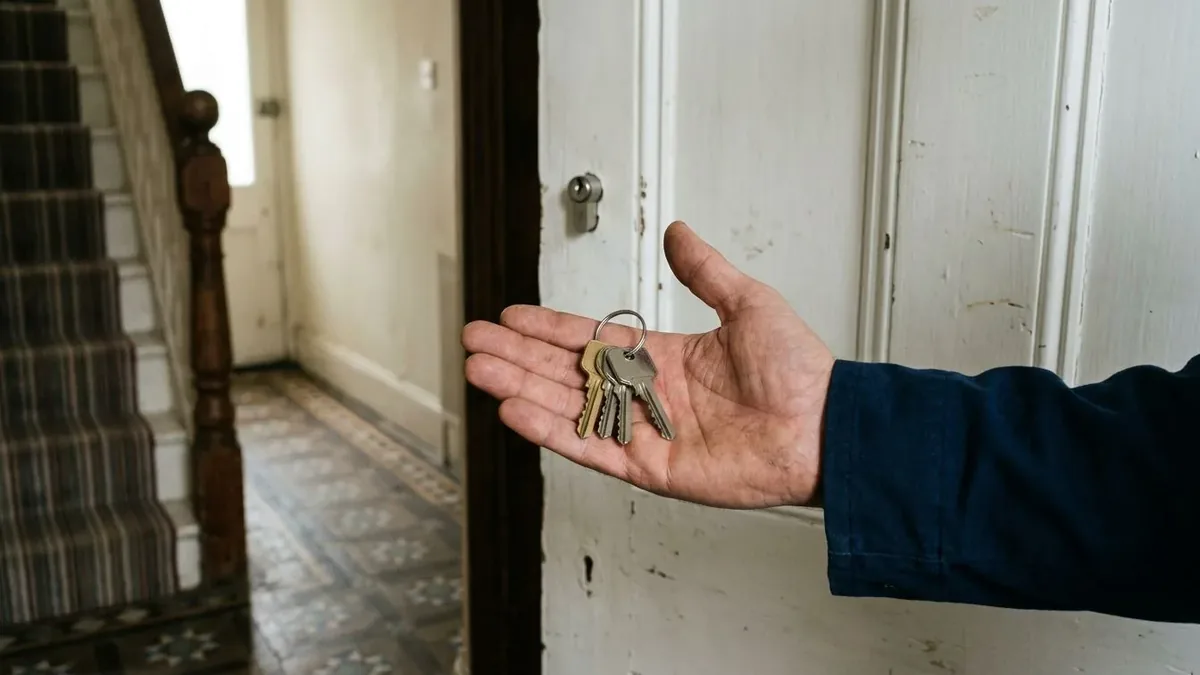
A tenant hands back the keys, and the next one moves in at the weekend. In a shared house that gap is the best moment to deal with security, since the room is empty. You can reset who holds a key, check the fire escape route and keep a clear record, all in one visit.
This guide is for landlords and agents who run shared houses and converted townhouses in Paddington, Bayswater and nearby. It covers the lock work that matters at changeover. It also shows where fire safety and tenant rights rules apply, while keeping to plain terms.
Why changeover day matters for key control
You can never be sure how many keys one tenant had cut. Housemates borrow keys, friends get spares, and some keys never come back. Because of this, a returned key proves very little.
A new tenant should hold the only working key to their room. That is fair to them, and it protects you if something goes missing later. It also helps because it stops a dispute about who could get in.
There are three common ways to reset a room:
- Rekey the existing cylinder so the old keys no longer work.
- Swap the cylinder for a new one with a fresh set of keys.
- Change the whole lock if it is worn or the wrong type.
Rekeying or swapping a cylinder is usually quicker than a new lock, although a worn lock still needs a full change. Our landlord lock change service covers this work, and the wider lock change service covers front doors. For figures, see the locksmith prices guide.
Thumb-turn locks and the escape route
In a shared house, a bedroom door is part of the escape route if there is a fire. A tenant who wakes to smoke must open the door at once, because every second counts. They cannot search for a key in the dark.
The official LACORS fire safety guidance says final exit doors should ideally open from the inside without a removable key. It adds that this should always be the case in HMOs, including shared houses. Where security locks are fitted, it says they should have a suitable internal thumb-turn.
The same guidance strongly recommends the same for the exit door of each bedsit or flat. In practice, that points to a lock with a thumb-turn on the inside of each room door. The outside still needs a key, so the room stays private.
Check these points at every changeover:
- The thumb-turn works smoothly and turns the full way.
- Nothing blocks the door, such as boxes or a loose rug.
- No bolt, padlock or hasp remains from a past tenant.
- The front door opens from the inside without a key.
The guidance also says that electrically operated locks must fail to safety. For example, a smart lock on a shared entrance must open if the power fails or have a manual override. Our post on fitting a smart lock on a period door covers what to check first.
What the law asks of the manager
The Management of Houses in Multiple Occupation (England) Regulations 2006 set duties for the person who manages an HMO. One of them is to keep all means of escape from fire free from obstruction. They must also stay in good order and repair.
A lock that jams, or a door that needs a key to leave, works against the purpose of that duty. Therefore a lock check belongs in your routine checklist, not only in a repair call. A broken thumb-turn needs a fix before the new tenant moves in.
Licensing is a separate question, yet it links to fire safety. A mandatory HMO licence applies when a property has five or more tenants from more than one household who share a toilet, bathroom or kitchen. Some councils extend licensing to smaller shared houses. The licence conditions can include fire safety, so ask the council what it expects.
Tenant rights when locks change
Changeover is about a room that is empty. However, a tenant who still lives in the room is in a different position. Under the Protection from Eviction Act 1977, it is an offence to unlawfully deprive a residential occupier of their home. A lock change to keep someone out can fall under that.
If a lock fault puts a tenant at risk, tell them first and give them a new key straight away. Meanwhile, do not change a lock on a room someone lives in without their agreement. Our guide to landlord and tenant lock change law sets out who may change what, and when.
Tenants who lock themselves out are a separate matter. Our post on what to do when you are locked out of your flat explains how a locksmith gets in without damage in most cases.
A simple changeover routine
A short checklist keeps every changeover the same. It also gives you a record, because questions can come up months later. Keep a dated note for each room.
- Collect every key and note how many came back.
- Rekey or replace the room cylinder.
- Test the thumb-turn from the inside and the key from the outside.
- Check the front door and any shared door the same way.
- Hand the new tenant their keys and note the date and number.
Shared doors need care too. A front door cylinder that serves the whole house should change when a tenant leaves on bad terms. Communal doors in larger blocks follow different rules, which we cover in our post on who fixes mansion block communal door locks.
A mobile locksmith can do this on site in one visit, since the work needs no workshop. If you manage rooms nearby, use a locksmith in Paddington or our mobile locksmith cover in Bayswater to keep changeovers on schedule.
Sources
- Management of Houses in Multiple Occupation (England) Regulations 2006, regulation 4
- LACORS, Housing: Fire Safety, section 16 Exit doors
- Protection from Eviction Act 1977, section 1
- GOV.UK, House in multiple occupation licence
Ready to plan a changeover? Send the details through the enquiry form and we will reply with a plan for the visit.