Lock Repair or Replacement: How to Tell Which You Need
Not sure whether to repair or replace a lock? Here is how to tell them apart. We cover stiff locks, worn keys, lost keys, break-ins and what insurers may ask.
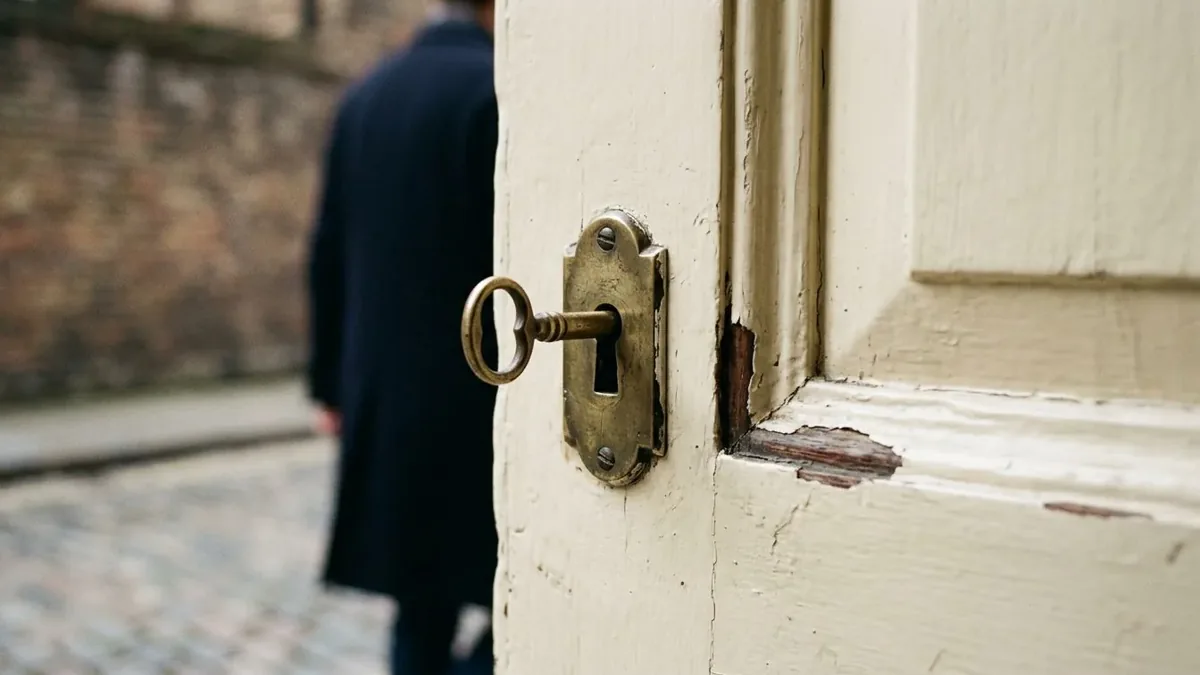
A lock that sticks, grinds or wobbles does not always need replacing. However, a lock that still turns can be the wrong lock for your door. This guide helps you decide which job you have, before you spend anything.
We are a mobile locksmith covering Bayswater and the neighbouring W2 districts. We see both kinds of job, so we have a clear way to think about the choice. Here it is, step by step.
Signs a repair will be enough
Most faults start small, because wear builds up slowly. A key that turns stiffly, a latch that does not spring back or a door that needs a lift before it locks can all be simple to fix. Our lock repair service covers these jobs.
A repair usually makes sense in the cases below. Each one points to a lock that is still sound.
- the lock is a sound make and the case is not cracked
- the fault began recently, for example after a door re-hang
- the key is straight and the lock still meets the standard your insurer asks for
- the cause is dirt, dry parts or a loose strike plate
Door alignment causes more lock trouble than people expect. A door that drops a few millimetres on its hinges puts the bolt under strain. As a result the lock looks faulty, yet the door is what needs adjusting. A quick check of the gaps around the door can tell you which it is.
Our guide to why a uPVC door will not lock shows the same pattern on modern doors. The mechanism often works well once the door sits true again, since the fault was never inside the lock.
Signs you should replace the lock
Some faults point to a lock that has reached the end of its life. Worn parts inside a lock do not heal, and a repeat fault usually means the same worn part. Then a new lock costs less than a third visit.
Replacement is usually the better call in the cases below. Each one points to a lock that will fail again.
- the key turns only with force
- the case is cracked, bent or has come loose from the door
- someone has forced, drilled or snapped the lock
- you cannot buy a part for an old lock
- you want a better lock than the one you have
Our lock change service fits a new lock to the same door, and we can match the old finish where the door allows. A change of lock also gives you fresh keys. That matters because of the next point.
Lost keys, moving home and burglary
The choice changes when the risk is about who holds a key. A repair cannot undo a lost or stolen key, because the old key still fits. Only a new lock or cylinder does that.
Consider a new lock in the cases below. In each one, the risk comes from a key you cannot account for.
- you have moved home and do not know how many keys exist
- you lost a key outside the home, or a thief took it
- a tenant or contractor left without handing all keys back
- a burglar got in, even if the lock looks fine
After a break-in, the lock is only part of the picture. Our guide to what to do after a burglary covers the order of steps. Read about non-destructive entry too. A locksmith who opens a door without damage can often save the lock.
Insurance and the BS 3621 question
Some home insurance policies ask for a lock of a set standard on external doors. Secured by Design describes BS 3621 as the minimum standard for locks on external or entrance doors. That standard covers thief-resistant lock assemblies with key operation on both sides.
Therefore check your policy before you choose. If it names a standard, a repair to a lock that falls short leaves you short of the wording. A replacement that meets the standard closes the gap, while a repair does not. Our BS 3621 guide explains the rating in plain terms.
Mortice locks also have a security edge. ProtectUK notes that mortice or sash locks, which sit inside the door, give more security than rim locks on the surface. It also says 5-lever locks have over 1,000 key options.
Period doors in Kensington and Bayswater
Older doors need more care because the timber is often thin or dry. A Victorian front door in W2 or W8 may carry a lock cut into thin timber, and a poor fit can split the wood. For that reason we check the door before we suggest a new lock body, and we aim to keep the original timber intact.
On a listed building the rules are tighter. Section 7 of the Planning (Listed Buildings and Conservation Areas) Act 1990 bars works that would affect a listed building’s character unless the law authorises them. If you think your door may be listed, ask your council before any change to the lock or door.
Our mobile locksmith in Bayswater cover and our Kensington locksmith cover both include period homes. Smart locks are a popular upgrade there too. Read whether you can fit a smart lock to a period front door first.
A simple way to decide
Ask three questions in order. They take a minute and they save a wasted visit.
- Does the lock still meet the standard your insurer asks for?
- Could someone you do not trust hold a key?
- Is the fault new, or has it come back more than once?
If the answers are yes, no and new, a repair is likely enough. If any answer points the other way, replacement deserves a look, because the same fault is likely to return. For figures, see our locksmith prices page.
Ask us about your lock
Describe the lock, the door and the fault. Tell us if you have an insurance requirement. We will tell you whether a repair or a replacement fits. Send the details through our enquiry form and we will reply with the next step.