uPVC Door Won't Lock? Repair or Replace the Mechanism
A uPVC door that will not lock has a clear cause. Learn the safe checks to try first, and when a locksmith should repair or replace the mechanism for you.
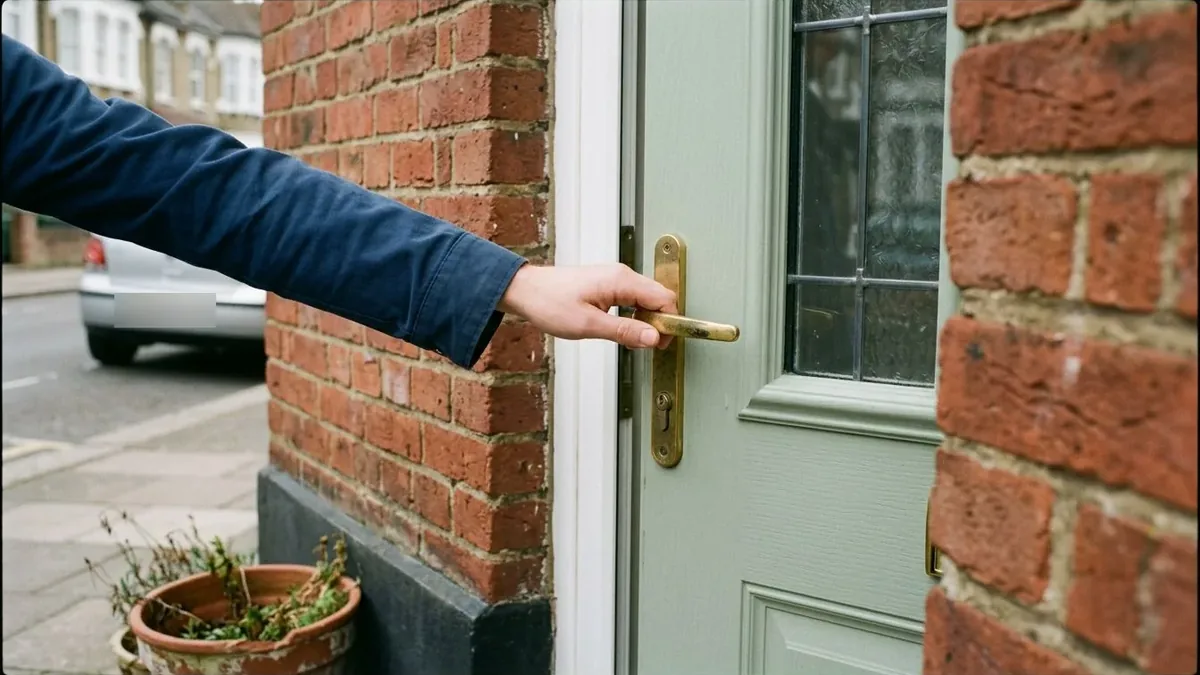
A uPVC door that will not lock is more than an annoyance. It leaves your home open, and it often gets worse each day you ignore it. The good news is that the cause is usually simple to spot.
This post covers the signs, the common causes, and the safe checks you can try. It also explains what a locksmith repairs and what they replace.
What a uPVC lock does
Most uPVC doors use a multipoint lock. A long steel strip runs up the edge of the door. When you lift the handle and turn the key, hooks and bolts at several points slide into keeps on the frame.
The Met Police describe this system as hooks and latches that only work if you lift the handle, turn the key and remove it. Their advice is to lift, lock and remove. If any part of the chain fails, the door may look shut while it stays unlocked.
Common symptoms
Notice what the door does, because each sign points to a different cause:
- The handle will not lift, or feels stiff and heavy.
- The key will not turn, or turns with no effect.
- The handle lifts, but the bolts do not engage.
- The door drags on the frame or has a gap at one corner.
- The handle drops slack and does not spring back.
Write down which sign you see. A locksmith can use that note to plan the visit, and it often saves a second trip because they bring the right part.
Likely causes
The door has dropped
Hinges loosen over the years, and the weight of the door does the rest. The door then sits slightly low, and the hooks miss their keeps. This is the most common cause, although it is also one of the simplest to fix.
A keep is out of line
Meanwhile, the metal keeps on the frame can shift or wear. Even a small error can stop a bolt from sliding in. Similarly, a bent keep can scrape the bolt every time you close the door.
The gearbox has failed
The gearbox sits behind the handle and cylinder. It turns your lift into movement along the strip. When its parts wear or break, the handle goes loose or stiff, yet the strip may be fine.
The strip or cylinder is worn
Years of use wear the strip and the cylinder. A cylinder that sticks can also stop the key from turning. In that case a new cylinder may solve the problem.
Why forcing it makes things worse
When a handle sticks, the urge is to push harder. However, the parts inside the door are thin metal and small gears. They are made for a light lift, not a shove.
A forced handle can strip the gearbox or bend the strip. As a result, a fault that needed a small adjustment now needs new parts. Meanwhile the door may stay open to anyone who pushes it.
Safe checks you can try
You can do a few things without tools or risk:
- Open the door and lift the handle. If it works now, the cause is likely the hinges or keeps.
- Close the door gently and look at the gap round the edge. An uneven gap suggests a dropped door.
- Check that you have the right key and that it is straight.
- Make sure nothing blocks the keeps, such as dirt or paint.
If the lock still fails, stop there. Do not force the handle, and do not hit the door. Forcing a stiff handle can snap the gearbox, so a repair becomes a replacement.
When the door will not lock at night
A door that will not lock is a security gap, so deal with it soon. While you wait for a repair, close the door firmly and use any other lock it has. Therefore, if you have a spare bolt or chain, use it, but treat that as a stop-gap and not a fix.
Tell anyone who shares the home, since they may assume the door is locked. In a shared building, also tell the landlord or managing agent, because the door may be theirs to repair.
What a locksmith adjusts and replaces
A locksmith starts by finding the cause, because a guess can waste a part. Then they pick the smallest fix that will last.
- Adjust: tighten or realign hinges and move the keeps.
- Replace the gearbox: when the handle moves but nothing happens along the strip.
- Replace the full strip: when hooks or rollers wear down or bend.
- Replace the cylinder: when the key sticks, or when you want a rated one.
For a clear idea of cost, see our locksmith prices in London page. For help choosing, read our post on whether to repair or replace a lock. If the cylinder is the weak part, read how anti-snap cylinder ratings work.
Our uPVC door lock repair service and our wider lock repair service both cover this work. A new part only earns its place when a repair will not hold.
If you are locked out or cannot secure the door
A door that will not lock and a door that will not open are different problems, although both can leave you stuck. If you are outside, our guide to being locked out of your flat explains what to do next.
For homes near Westbourne Park, see our mobile locksmith in Westbourne Park page. For the streets off the Edgware Road, see our locksmith in Edgware Road W2 page. Both sit within our usual area.
Sources
- Met Police: door and window lock advice
- Door and Hardware Federation: TS 007
- Secured by Design: locks and associated hardware
If your door will not lock, send us the details through the enquiry form. Tell us the signs you see, and we will plan the right fix.