Mansion Block Communal Door Locks: Who Fixes Them?
A broken lock on the main door of a mansion block raises one question. Who pays, and who repairs it? Here is how leases and the law usually split the job.
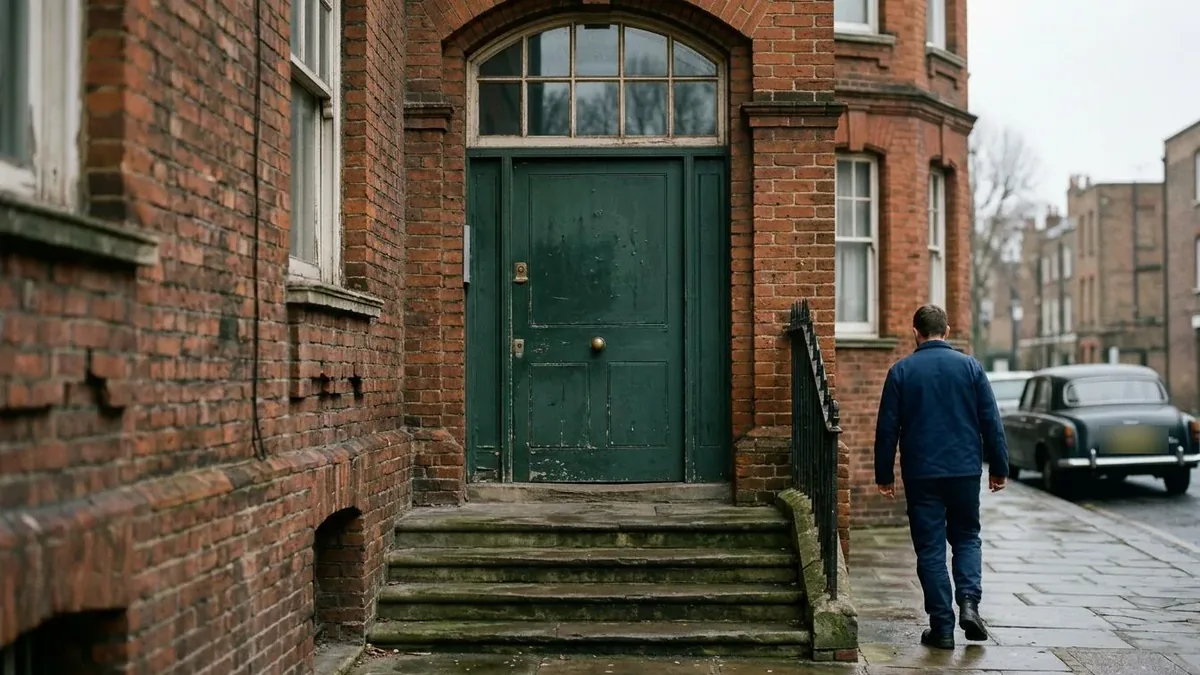
A mansion block lives or dies by its front door. When the lock fails, every flat is at risk, and every neighbour wants a quick answer. However, the answer is not always clear. The first question is usually who is meant to fix it.
This guide covers the communal doors of mansion blocks in Kensington, Marble Arch and nearby streets. Specifically, it explains who normally holds the duty, how to report a fault, and where your own flat door fits in.
Who is responsible for communal doors
Leases differ, but the pattern is common. Although your lease has the final word, most follow the same split. The freeholder, or a managing agent acting for them, looks after the common parts. These include the main entrance, the hall, the stairs and the doors that serve them.
Leaseholders pay for that work through the service charge. In other words, you fund the repair even though you do not arrange it. Look for the clauses that list the common parts and the landlord’s repairs.
If the block has a residents’ management company, the same logic holds. The company arranges the repair, and the leaseholders share the cost. Some blocks are run by the leaseholders themselves, so a neighbour may be the one to call.
How to report a faulty entrance door
Report the fault to the managing agent in writing, and keep a copy. A short email works well. Say which door it is, what is wrong and when you noticed it.
A clear report helps because the agent can act fast. For instance, include these details:
- Which door has the fault, such as the main entrance or a side door.
- What happens, for example the latch does not catch or the key sticks.
- Whether the door stays open, since that is a security risk for the whole block.
- The date and any photos.
If nothing happens, follow up and refer to your lease. A door that will not lock is more urgent than most repairs. Therefore say so plainly when you report it.
Neighbours can help too. If several residents report the same fault, the agent sees how widespread it is. Even so, one clear written report from each flat is better than a chat in the lobby, because it leaves a record.
Door closers and access control
Many mansion block entrances rely on more than a lock. An overhead door closer pulls the door shut after each use. If the closer fails, the door can hang open even with a perfect lock.
Entry systems add another layer. For example, a fob reader, a keypad or a buzzer panel each ties into the door. A fault in any one of them can look like a lock fault, so a locksmith checks the whole set.
Fire safety also comes into play. The Regulatory Reform (Fire Safety) Order 2005 puts duties on the responsible person for the shared parts of a building. In taller blocks, the Fire Safety (England) Regulations 2022 add a check duty. The responsible person must check fire doors in communal areas at least every three months, including their self-closing devices, in buildings over 11 metres.
For that reason, a communal door closer is not a cosmetic part. It helps keep a fire door working, so it needs care. A locksmith can adjust or replace one as part of the same visit, which saves a second call-out.
Major works and the service charge
A lock repair is small. In contrast, a new entrance door or a full access control system is larger. When the cost to any leaseholder goes over the limit, the landlord must follow a consultation process.
The rule sits in section 20 of the Landlord and Tenant Act 1985. The regulations set the limit at 250 pounds per leaseholder for qualifying works. Without proper consultation, the landlord can only recover a capped amount from each leaseholder.
You do not need to remember the detail. Still, know that big projects need notice, and that you can comment on them. Our guide to upgrading door security explains the options for entrances, and the commercial locksmith service covers shared buildings.
Your own flat door is your job
The communal door stops visitors at the front. Your own flat door is a different matter. In most leases it belongs to you, so you pay for the lock and its repair. In taller blocks, the same 2022 regulations also ask the responsible person to check flat entrance doors at least every 12 months.
This is where many leaseholders get caught out. The agent will fix the main door, yet they will not fix your cylinder. If you are locked out of your own flat, our post on what to do when you are locked out shows how a locksmith opens a door without damage.
Meanwhile, it also pays to upgrade the cylinder. Our post on how anti-snap cylinder ratings work explains what to look for. Landlords who let out flats in shared buildings will also find the HMO changeover lock guide useful.
What a locksmith can do for a managing agent
A managing agent often needs one contact for all the doors in a block. A mobile locksmith can repair latches, fit new cylinders, adjust door closers and reset keys. The work happens on site, so the door is back in use fast, because no part needs to leave the building.
Additionally, agents can ask for a written note of what was done and which keys exist. That record helps when residents ask questions later. For blocks nearby, see our Kensington locksmith cover and our mobile locksmith covering Marble Arch.
Sources
- Landlord and Tenant Act 1985, section 20
- Service Charges (Consultation Requirements) (England) Regulations 2003, regulation 6
- Fire Safety (England) Regulations 2022, regulation 10
- Regulatory Reform (Fire Safety) Order 2005, article 5
Have a communal door that needs attention? Send the details through the enquiry form and we will reply with the next step.